



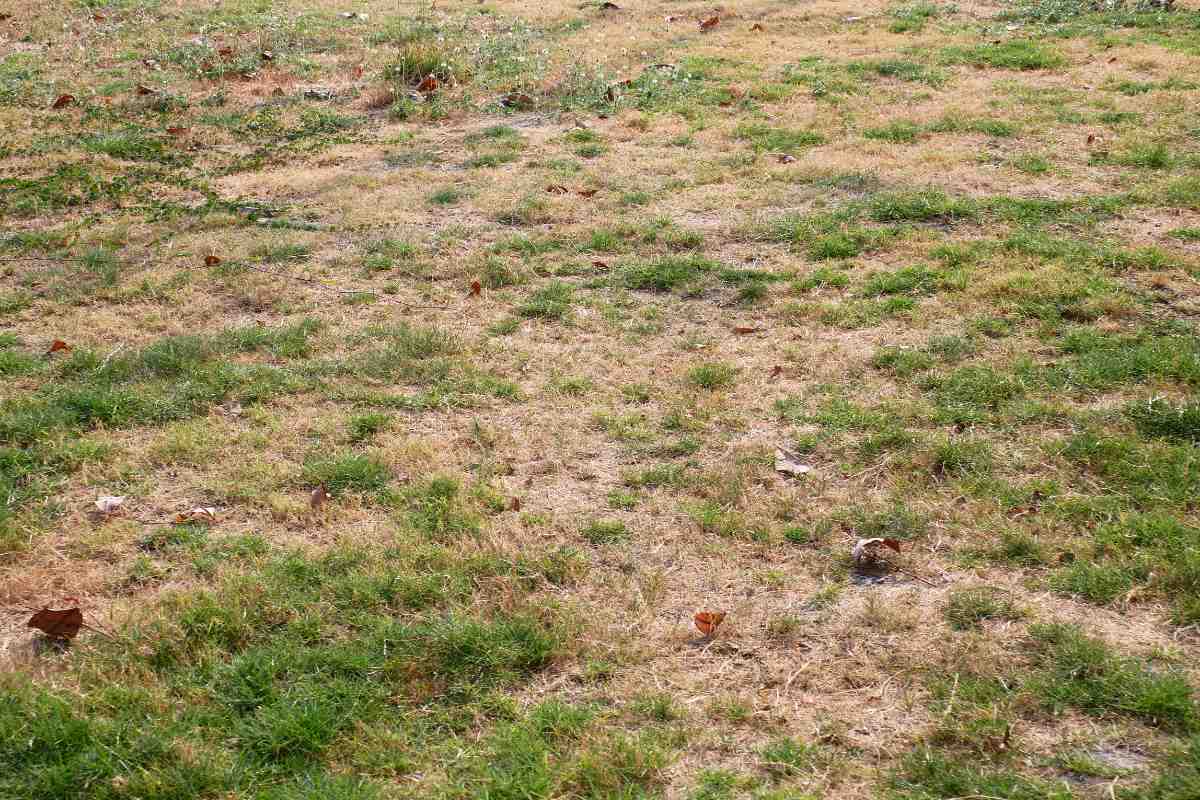
Bare spots can make even the healthiest lawn look neglected. Whether they're caused by pets, heavy foot traffic, drought, disease, or pests, these patches often become magnets for weeds and can continue expanding if not addressed quickly.
Fortunately, bare spots can be repaired with the right combination of soil preparation, seeding, watering, and ongoing lawn care.
At Anointed Lawn Care, we help homeowners restore damaged lawns and create thicker, healthier turf. Here’s how to grow grass in bare spots fast and prevent them from coming back.
1. Identify Why the Bare Spot Formed
Before planting new grass, it's important to determine what caused the problem.
Common causes include:
- Pet urine damage
- Drought stress
- Lawn disease
- Insect infestations
- Soil compaction
- Heavy foot traffic
If the underlying issue isn't corrected, new grass may struggle to survive.
2. Remove Dead Grass and Debris
Start by clearing away dead grass, weeds, rocks, and other debris from the affected area.
This allows new seed to make direct contact with the soil, which is essential for successful germination.
A clean planting area dramatically improves your chances of establishing new growth.
3. Loosen the Soil
Compacted soil is one of the biggest reasons grass fails to grow.
Use a rake or aeration tool to loosen the top few inches of soil. This improves:
- Root development
- Water absorption
- Nutrient availability
- Air circulation
Healthy soil provides the foundation for healthy grass.
4. Add Soil Amendments if Needed
Poor soil often contributes to bare spots.
Adding quality topsoil, compost, or soil conditioners can improve:
- Nutrient levels
- Moisture retention
- Soil structure
At Anointed Lawn Care, we often recommend soil amendments to help struggling areas recover faster.
5. Choose the Right Grass Seed
Not all grass seed performs the same.
Selecting the correct seed for your lawn's conditions is critical.
Consider factors such as:
- Sun exposure
- Shade levels
- Foot traffic
- Climate conditions
Using the right seed improves germination and long-term success.
6. Overseed the Area Properly
Spread seed evenly across the prepared soil.
Avoid over-seeding, which can cause competition between young plants.
Lightly rake the area after seeding to ensure good soil contact.
This simple step significantly improves germination rates.
7. Keep the Area Consistently Moist
New grass seed requires moisture to germinate.
During the first few weeks:
- Water lightly once or twice daily
- Keep the soil consistently moist
- Avoid allowing the area to dry out completely
Once grass begins growing, transition to deeper, less frequent watering.
8. Apply Starter Fertilizer
Young grass benefits from nutrient support during establishment.
A starter fertilizer helps:
- Encourage root growth
- Improve germination
- Promote healthy development
Professional fertilization programs provide the nutrients needed without risking fertilizer burn.
9. Protect the Area During Growth
New grass is fragile.
Try to avoid:
- Foot traffic
- Pet activity
- Heavy equipment
Giving young grass time to establish helps ensure long-term success.
10. Prevent Future Bare Spots
Once new grass is established, maintaining lawn health becomes the priority.
A complete lawn care program should include:
- Fertilization
- Weed control
- Core aeration
- Insect control
- Proper mowing
These services help prevent future thinning and keep your lawn dense and healthy.

At Anointed Lawn Care, we help homeowners identify the causes of lawn damage and implement solutions that create thicker, healthier grass.
If you're dealing with bare spots in your lawn, now is the perfect time to take action and restore your yard's appearance and health.


