



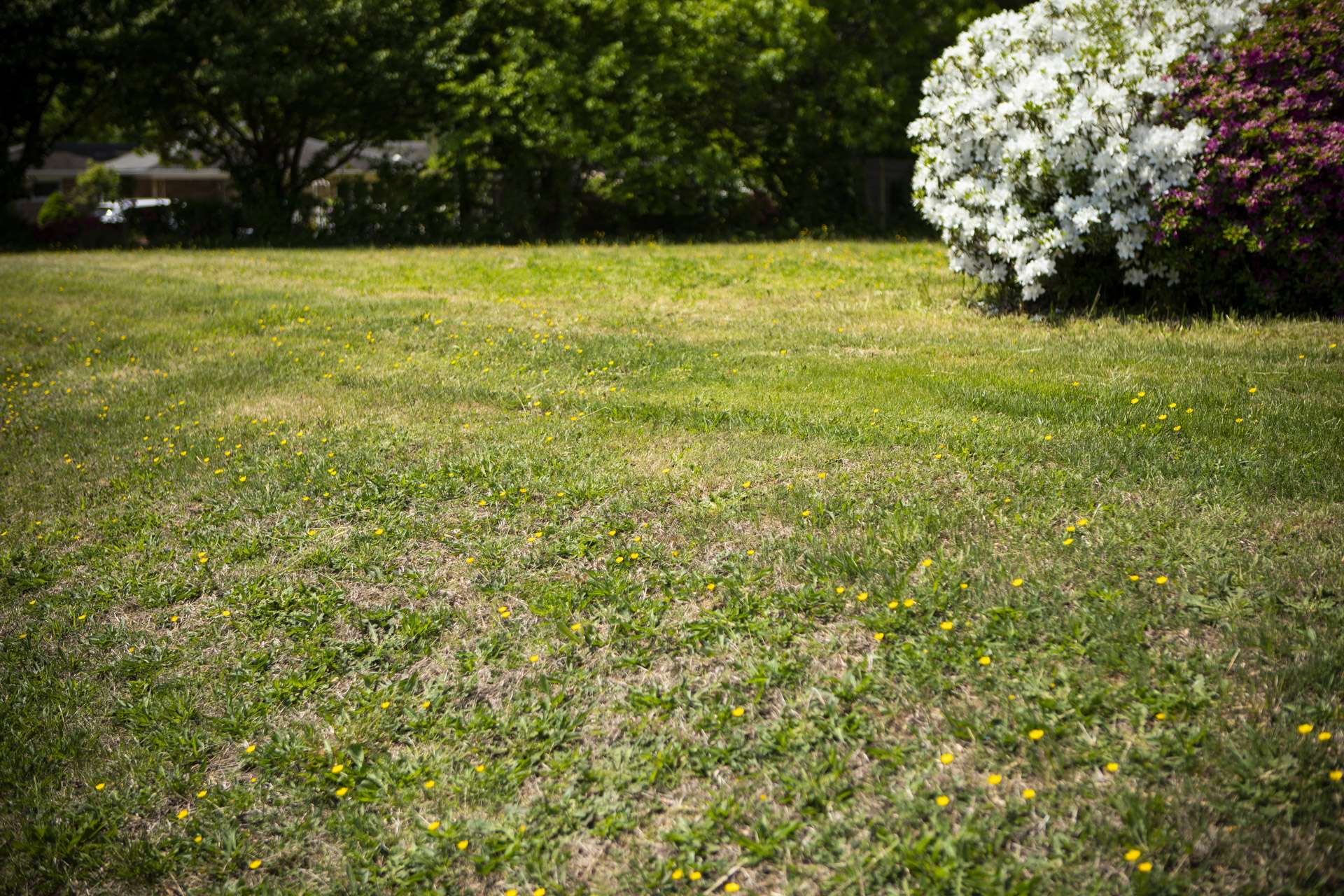
If it feels like weeds are taking over your lawn no matter what you do, you’re not alone. Many homeowners deal with recurring weed problems that seem impossible to control.
The truth is, weeds don’t just appear randomly—they grow where conditions allow them to thrive. If your lawn is full of weeds, it’s usually a sign that something in your lawn care routine or soil condition needs attention.
At Anointed Lawn Care, we help homeowners eliminate weeds and prevent them from coming back. Here’s why your lawn may be full of weeds—and how to fix it for good.
1. Thin or Weak Grass
One of the biggest reasons weeds take over is thin turf.
When grass is sparse, it leaves open space for weeds to grow. Weeds are opportunistic and will quickly fill in any gaps in your lawn.
The solution is to focus on thickening your grass through proper fertilization and overseeding.
2. Lack of Pre-Emergent Weed Control
If you’re not using pre-emergent weed control, you’re allowing weed seeds to germinate freely.
Pre-emergent treatments stop weeds before they even sprout. Without it, you’re constantly reacting to weeds instead of preventing them.
A seasonal pre-emergent program is one of the most effective ways to reduce weed growth long-term.
3. Improper Mowing Practices
Cutting your grass too short weakens your lawn and gives weeds an advantage.
Short grass cannot shade the soil properly, allowing sunlight to reach weed seeds and encourage growth.
Maintaining proper mowing height helps your grass stay strong and naturally suppress weeds.
4. Poor Soil Health
Weeds often thrive in poor soil conditions where grass struggles.
Compacted soil, nutrient deficiencies, and poor drainage can all contribute to weed problems.
Improving soil health with aeration and soil amendments helps grass grow stronger and outcompete weeds.
5. Inconsistent Fertilization
Grass needs nutrients to stay thick and healthy. Without proper fertilization, your lawn becomes weak and more vulnerable to weeds.
A consistent fertilization schedule promotes dense turf that naturally prevents weed growth.
6. Overwatering or Underwatering
Watering issues can also lead to weed problems.
Overwatering creates ideal conditions for certain weeds, while underwatering weakens grass and allows weeds to take over.
Watering deeply and consistently helps maintain a healthy lawn that resists weeds.
7. Existing Weeds Are Not Fully Eliminated
Many weeds return because they were never fully removed.
Store-bought weed killers often only treat the visible part of the plant, leaving roots intact.
Post-emergent weed control targets weeds at the root, preventing them from regrowing.
8. Seasonal Weed Growth
Different weeds grow during different times of the year.
Without a year-round strategy, new types of weeds will continue appearing each season.
Using both spring and fall treatments ensures weeds are controlled throughout the year.
9. Lawn Stress and Damage
Stress from heat, pests, disease, or heavy foot traffic weakens grass and creates openings for weeds.
A healthy lawn is your best defense. Addressing stress factors helps grass recover and fill in areas before weeds can take hold.
10. Lack of a Complete Lawn Care Program
Weed control isn’t just one treatment—it’s part of a larger system.
The most effective approach combines:
- Pre-emergent weed control
- Post-emergent treatments
- Fertilization
- Aeration
- Proper mowing and watering
At Anointed Lawn Care, we build complete lawn care programs that eliminate weeds and prevent them from returning.

If your lawn is full of weeds, it’s usually a sign that your grass isn’t strong enough to compete. The key to long-term weed control is not just removing weeds—but creating a lawn where weeds can’t grow in the first place.
With Anointed Lawn Care’s professional weed control and lawn care services, homeowners can enjoy a lawn that stays thick, healthy, and weed-free.
Stop fighting weeds and start preventing them with the right lawn care strategy.


